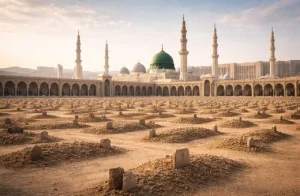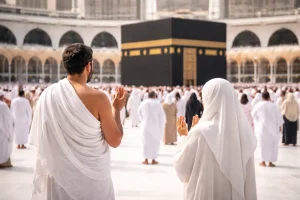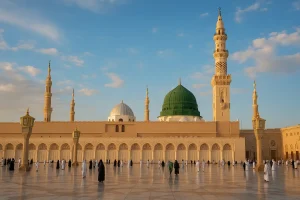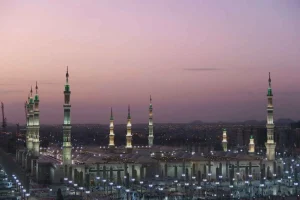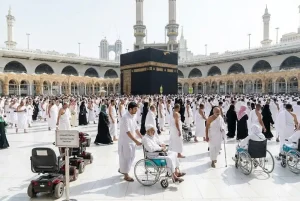
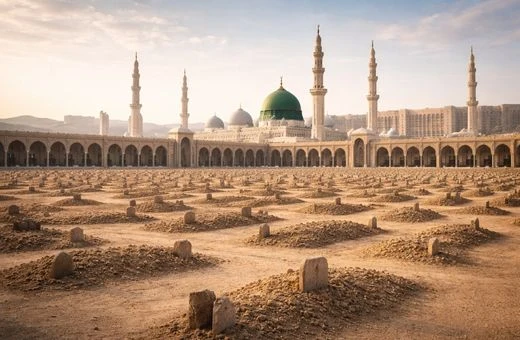
Jannat al-Baqi is the oldest Islamic cemetery in Madinah, located beside the Prophet’s Mosque. It is the resting place of many members of the Prophet Muhammad’s family and companions, and a place of reflection for pilgrims during Umrah Travel.
For many pilgrims, Madinah feels quieter than Makkah. Slower. More inward. And within Madinah, few places carry that stillness like Jannat al-Baqi. You don’t come here to “see” something. You come to remember. To pause. To understand where faith once stood, and where it now rests.
For those planning Umrah travel or exploring Umrah packages from UK, understanding Jannat al-Baqi adds depth to the Madinah visit. It reminds pilgrims that Umrah is not only a movement and a ritual, but a reflection.
What is Jannat al-Baqi?
Jannat al-Baqi, often called The Garden of Heaven, is Madinah’s most important cemetery. It sits directly next to Al-Masjid an-Nabawi, the Prophet’s Mosque, making it impossible to separate the two spiritually.
Established by Prophet Muhammad (peace be upon him), Jannat al-Baqi became the burial place for the earliest Muslims of Madinah. Over time, it grew into the final resting place for thousands of figures who shaped Islam’s earliest years.
For pilgrims on Umrah Travel, this site offers something different from mosques or monuments. It offers perspective.
Why Jannat al-Baqi Matters to Umrah Pilgrims
Jannat al-Baqi matters because it holds real lives. Not stories carved into stone. Real people who struggled, believed, sacrificed, and passed on.
Among those buried here are:
- Family members of the Prophet Muhammad
- Several of his wives
- His children and relatives
- Many companions (Sahabah)
- Early Islamic scholars and leaders
There are no grand tombs. No names carved in gold. The simplicity is deliberate. In death, everyone is equal. That lesson alone stays with many pilgrims long after their Umrah travel ends.
For travellers coming through Umrah packages from UK, Jannat al-Baqi is often one of the most emotionally grounding visits in Madinah.
The Historical Weight of the Site
In the earliest days of Islam, Madinah was a small community. Jannat al-Baqi was originally a land filled with boxthorn trees, which is where the name “Baqi al-Gharqad” comes from.
The first companion buried here was As’ad ibn Zurarah (RA). Later, the Prophet’s own son, Ibrahim, was buried here. Over generations, the cemetery expanded as the Muslim community grew.
Historically, there were marked graves and small structures. Today, these have been removed to maintain strict Islamic principles around humility and grave visitation. What remains is a bare landscape that speaks quietly but powerfully.
This history is often explained during umrah guidance sessions included in reputable Umrah packages from UK, helping pilgrims approach the site with understanding rather than confusion.
What to Expect When Visiting Jannat al-Baqi
Jannat al-Baqi is not a place of movement. It is a place of stillness.
You will notice:
- A quiet, guarded atmosphere
- No decorated graves or signs
- Visitors standing silently or reciting supplications
- Security ensuring respect and order
Men are allowed entry during specific times, usually after Fajr and between Asr and Maghrib. Women are not permitted inside but may stand at the perimeter, facing the cemetery, and make dua.
Many pilgrims say this moment becomes one of the most personal parts of their Umrah travel experience.
How to Prepare Spiritually Before Visiting
A visit to Jannat al-Baqi benefits from preparation, not haste.
Before going, it helps to:
- Learn who is buried there and why they matter
- Understand the etiquette of cemetery visits
- Memorise or carry the recommended duas
- Set intentions for reflection, not sightseeing
If you’re arranging an Umrah Booking and want guidance that goes beyond logistics, some travellers prefer travel agencies that explain the meaning behind the places, not just the routes.
Mid-journey guidance like this is something Alzowar Travel often focuses on, helping pilgrims understand where they are standing and why it matters.
Jannat al-Baqi and the Message of Equality
One of the most striking aspects of Jannat al-Baqi is how it looks.
- No names.
- No titles.
- No distinction between leader and follower.
This is intentional. It reflects a core Islamic truth: status ends where accountability begins. For pilgrims on Umrah Travel, this moment often reframes the entire journey. Tawaf feels different after standing here. Prayer feels quieter. Intentions feel clearer.
This is why many scholars encourage pilgrims using Umrah packages from UK to spend time in Madinah before returning home, allowing reflection to settle.
Why This Visit Stays With Pilgrims
Years after completing Umrah Travel, many pilgrims forget hotel names or flight times. But they remember standing beside Jannat al-Baqi. The silence. The weight. The reminder that faith is lived briefly, but remembered forever. This is not a place you rush through. It’s a place that quietly follows you home.
Jannat al-Baqi is not just part of Madinah’s landscape. It is part of Islam’s memory. Visiting it during Umrah travel offers a perspective that no guidebook can teach.
If you are preparing for Umrah and want clear umrah guidance, careful Umrah Booking, and thoughtfully arranged Umrah packages from UK, speak to Alzowar Travel. A well-planned journey allows moments like this to speak for themselves.